 Anxiety Remedy
Home & Garden · Guide Review
Medicinal Garden Kit Reviews: Seeds, Guide & 365 Days
 365-Day Money-Back Guarantee
Verdict: a proper kit, if you like gardening. This is a genuine product — ten packets of non-GMO heirloom herb seeds, a printed guide that walks you through growing them and turning them into simple home remedies, and a 365-day guarantee that actually makes sense for seeds. The catch is the obvious one: nothing here works fast. Lavender and echinacea can take months to mature, and the kit gives you seeds and knowledge, not ready-made remedies. Buy it because you want a herb garden. Don't buy it expecting a pharmacy in a box.
Get Today's Price on the Official Site →Prices checked November 2026 · 365-day guarantee stated; one-time payment, no subscription.
What is the Medicinal Garden Kit?
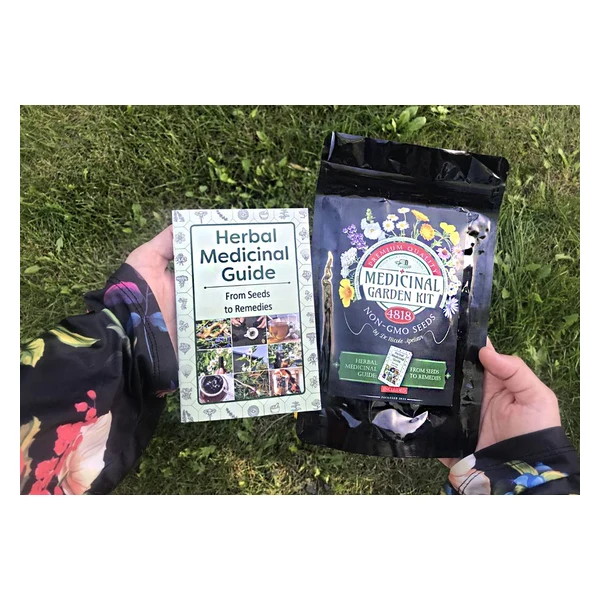
The Medicinal Garden Kit — sold as "Your Backyard Pharmacy" — is a physical seed kit from herbalist and biologist Dr. Nicole Apelian. Inside the box you get ten labelled seed packets, one for each of ten traditional medicinal herbs, plus a printed book called Herbal Medicinal Guide: From Seeds to Remedies that walks you through growing each plant and turning it into simple home preparations like teas, tinctures and salves.
Let me be clear about what this is not, because the sales page leans hard on the pharmacy language: it is not a supplement, not a drug, and not a box of ready-made remedies. There are no finished teas, tinctures or oils in the package. You get seeds and a book. The plants have to be grown, harvested and prepared before anything in the kit can be used — and for the slow herbs in the list, that means months of waiting. The seller states the kit holds 4,818 non-GMO heirloom seeds, packaged in the USA, and the checkout runs through ClickBank. The operating company is listed as Global Brother SRL.
That framing matters for scoring. Most supplements I review get judged on label transparency and dose. This one gets judged on something simpler: does the box contain what it says, is the guide any good, and is the price fair for seeds and a book? On those three questions it holds up well. You can see all our Home & Garden reviews if you want to compare it with the other self-reliance kits on this site.
What's inside: the 10 herbs
Ten herbs, all named on the page, with no mystery ingredients — here is the full list and what each one is traditionally used for:
| Herb | What It Is | Traditional Use |
|---|---|---|
| Chicory | Blue-flowered perennial with a deep taproot | Root used for digestion and as a coffee substitute; leaves in salads |
| Yarrow | Hardy flowering herb | Traditionally used for minor wounds and fevers |
| California Poppy | Golden-flowered poppy, unrelated to opium poppy | Traditionally used for mild pain relief and sleep support |
| Marshmallow | Soft-leaved root herb | Root used to soothe sore throats and irritated digestion |
| Chamomile | Small daisy-like flowers | Tea for calm, sleep and upset stomachs |
| Evening Primrose | Yellow evening flower, seeds rich in GLA | Oil traditionally used for skin and hormonal balance |
| Lavender | Fragrant purple flower | Calm, sleep and skin care; one of the slowest to establish |
| Echinacea | Purple coneflower | Immune support; takes a season or two to mature |
| Calendula | Bright marigold flower | Skin salves and wound care; one of the fastest to grow |
| Feverfew | Small white daisy | Traditionally used for headaches and fevers |
Two honest notes. First, the list is genuinely useful — these are ten of the most widely grown medicinal herbs, and the mix of fast growers (chamomile, calendula, yarrow) and slow ones (lavender, echinacea) means you get something usable in the first season while the rest establish. Second, the kit doesn't tell you how many seeds of each herb you get, only the 4,818 total, and seed counts vary a lot between sources — one corroborating review counted just over 2,400 seeds, which suggests the count may have changed or been counted differently. That doesn't change what you can grow, but it's worth knowing the headline number isn't consistent across sources.
The printed guide is the real value here. Growing herbs is easy; knowing when to harvest, how to dry them, and how to turn them into a tea, tincture or salve is the part most beginners get wrong, and the book covers it. Two free digital bonus guides come with the order: Healing Yourself At Home With Household Items and Wild Edible and Medicinal Herbs You Can Forage.
Do these herbs actually help? What the evidence says
The plants have real research behind them; the kit itself does not — and it cannot, because it is seeds, not a finished remedy. What you are really asking is whether these ten herbs do anything, and the answer is mixed, plant by plant.
The strongest evidence is for echinacea and chamomile. A 2007 meta-analysis in The Lancet Infectious Diseases pooled 14 studies and found echinacea cut the odds of catching a cold by about 58% — though the studies varied a lot in quality, and the effect on cold duration was smaller (Shah et al., 2007, PMID 17597571). Chamomile has a small randomized trial showing improved sleep quality in postpartum women who drank chamomile tea daily for two weeks (Chang & Chen, 2016, PMID 26483209). Lavender oil has a proper randomized trial behind it too: a standardized lavender oil capsule (Silexan) beat placebo for generalized anxiety in a 2010 trial (Kasper et al., 2010, PMID 20439211) — though that's an oil capsule, not a plant you grew yourself.
But here's the gap, and it's a big one. Every one of those studies used a standardized extract, a fixed dose, and a prepared product. Growing a plant in your garden doesn't give you a standardized extract. The strength of what you harvest depends on soil, sun, when you pick it, and how you dry it. A cup of homegrown chamomile tea is a pleasant drink with mild calming effects — it is not the same thing as a clinical dose of anything. And for herbs like feverfew and California poppy, the human evidence is thin and mostly traditional rather than trial-based.
Judge the kit for what it is: a gardening project with genuinely useful plants and a good guide. The herbs are real, the traditional uses are real, and a few of them have solid trials behind their extracts. What the kit can't promise — and doesn't, to its credit, in its plainest wording — is that your homegrown harvest will treat any condition.
The quick take
- What it is: a seed-and-guide kit from herbalist Dr. Nicole Apelian — ten packets of non-GMO, heirloom medicinal herb seeds (4,818 seeds in total) plus a printed guide, Herbal Medicinal Guide: From Seeds to Remedies.
- What it costs: $59 one-time, plus $4.99 shipping — $63.99 all in. No subscription, no recurring charge.
- What's inside: chicory, yarrow, California poppy, marshmallow, chamomile, evening primrose, lavender, echinacea, calendula and feverfew, plus two free digital bonus guides.
- The guarantee: 365 days, money back — a full year, which matters when some of these herbs take 6 to 12 months to mature.
- My take: the most honest offer I have seen in this category. It promises seeds and a book, and that is exactly what arrives. Just don't confuse growing herbs with having medicine on hand.
My rating is
Best for: people with a patch of soil, a balcony or a sunny windowsill who want to grow traditional herbs and learn to prepare simple home remedies — and who are happy to wait months for the harvest.
Why a seed kit, not a supplement
Here is the part worth thinking about before you spend $63.99: a seed kit and a supplement solve different problems. A supplement gives you a finished dose today. A seed kit gives you the raw material to make your own remedies for years — if you have the space, the patience and the habit of actually gardening. The kit's pitch is self-reliance: grow your own chicory, lavender and echinacea so you aren't depending on a shop shelf.
That pitch lands differently depending on where you live. If you have a garden, a big balcony or even a sunny windowsill with pots, ten herb varieties is a genuine little pharmacy garden, and the guide is the part that makes it usable — most people who buy herb seeds have no idea how to turn a dried flower into a tea or a salve, and the book covers exactly that. If you live in a flat with no outdoor space and no interest in watering plants, the kit is a box of seeds you will never plant, and no guarantee fixes that.
The other honest point is time. Chamomile and calendula grow fast — you can be picking flowers within a couple of months. Lavender, echinacea and evening primrose are slow: they can take a full season, sometimes two, before you get a usable harvest. That is exactly why the 365-day guarantee matters here more than it does for a capsule. A 60-day refund would expire before the slow herbs had even sprouted properly. A full year gives you one real growing season to judge the kit.
What results are actually realistic?
Forget the sales page's survival stories for a minute — here is an honest timeline for a first-time grower:
- First few weeks: germination and seedlings. Chamomile and calendula sprout fast; lavender and echinacea are slow and fussy about germination. This is the stage where most kits get abandoned — keep the soil damp and be patient.
- Months 2 to 3: first flowers from chamomile and calendula. You can dry them and make your first teas and a simple calendula salve. Yarrow is ready too. This is the first payoff, and it's modest — a jar of dried flowers, not a medicine cabinet.
- Months 6 to 12: the slow herbs start paying off. Echinacea roots and flowers, lavender spikes, evening primrose seed. By the end of year one you have a real herb store — jars of dried material and a few bottles of tincture — if you kept up with the watering and the harvesting.
One line that belongs in every review of this product: no seed kit has ever been shown to treat disease, and this one doesn't claim to in its plainest terms. What you get is a garden, a guide, and the raw material for traditional home remedies. The value is in the growing and the learning, not in a health outcome you can measure in weeks.
How you actually use the kit
There is no daily dose here — there is a growing season. The guide walks you through it step by step: start seeds indoors or sow direct depending on the herb, keep the soil damp while they germinate, thin the seedlings, and harvest at the right stage. Chamomile and calendula flowers get picked as they open. Roots like chicory and marshmallow get dug in autumn. Leaves get dried in a dark, airy spot and stored in jars.
The guide then covers the preparations: teas and infusions for chamomile and marshmallow, tinctures for echinacea and California poppy, infused oils and salves for calendula and lavender. None of this is complicated, but it does take time — a tincture needs weeks of steeping, and a salve needs a slow oil infusion first. If you like that kind of hands-on work, the kit is satisfying. If you want something you can swallow tonight, this is the wrong product entirely.
Practical tip from the growing notes: start the fast herbs first. Chamomile, calendula and yarrow will give you a harvest in the first season and teach you the drying and storing routine. Start lavender and echinacea in pots the same year, but don't expect a usable harvest from them until the following season. The 365-day guarantee is built around exactly that rhythm — you get one full growing season to decide whether the kit was worth it.
What to know before you buy
Four things worth knowing before you buy — none of them is a deal-breaker, all of them set expectations:
- It's seeds, not remedies. The "backyard pharmacy" language makes it sound like medicine arrives in the box. It doesn't. Seeds and a book arrive. The pharmacy part is months of gardening away.
- The seed count doesn't match everywhere. The official page says 4,818 seeds. At least one corroborating review counted just over 2,400. The count may have changed over time, but the headline number isn't consistent — treat it as approximate.
- Slow herbs need a full season. Lavender, echinacea and evening primrose won't give you a usable harvest in the first few months. If you want results this season, the fast herbs are the only ones that deliver.
- Support is email only. Questions go to [email protected], and the seller is a Romanian company (Global Brother SRL) selling through ClickBank. That's normal for this kind of product, but don't expect a phone line.
Fair credit, though: the page names all ten herbs, states the 365-day guarantee in plain words, charges a one-time price with no subscription, and the checkout is ClickBank, which has its own refund channel. Plenty of sales pages don't manage that much.
How much does the Medicinal Garden Kit really cost?
Simple pricing, for once — one kit, one price, no tiers to decode.
| Package | What's Included | Price | Shipping | Total |
|---|---|---|---|---|
| 1 kit | 10 seed packets + printed guide + 2 bonus guides | $59 | $4.99 | $63.99 |
That is $63.99 all in, one time. No subscription, no autoship, no upsell bundles. Per seed it works out to about 1.3 cents each at the stated 4,818 count — though as noted above, that count isn't consistent across sources. At the corroborating review's count of about 2,400 seeds, the same $63.99 works out to 2.7 cents a seed (63.99 ÷ 2,400) — double the 1.3 cents on the seller's count. Prices are set by the seller and they can change.
The 365-day guarantee: how it works
A full year to change your mind is the strongest part of this offer, and the guarantee actually fits the product: the page promises a 100% money-back guarantee for a full 365 days: if you're not happy, email support and request a refund. ClickBank processes the checkout, so its own 365-day return policy backs the purchase too.
One practical detail: the refund instructions say to return the physical seed pack, so keep the box and your order details if you think you might claim it. The guarantee covers the purchase price; shipping is your cost to return.
Why the long window matters: this is a seasonal product. A 60-day guarantee would expire before the slow herbs had even sprouted. A full year gives you one complete growing season — sow in spring, harvest through summer and autumn, and decide in winter whether the kit earned its $63.99. That's how a guarantee should work for a garden product.
What customers say
What do buyers actually mention? The guide gets the most praise — people who have never grown herbs say it makes the whole thing doable. Germination gets mixed reports: chamomile and calendula sprout easily, lavender is fussy, which is normal for lavender from seed in any brand. The complaints that show up are the ones you'd expect: slow herbs take too long, and a few buyers clearly expected ready-made remedies rather than seeds. That second complaint is a sales-page problem, not a product problem — but it keeps happening, which tells you the "pharmacy" language is doing real damage to expectations.
Medicinal Garden Kit pros and cons
- Ten named herbs — no mystery ingredients, no proprietary blend
- Printed guide that actually teaches growing and preparing
- One-time $59 price, no subscription or autoship
- 365-day guarantee — a full growing season to judge it
- Non-GMO heirloom seeds, packaged in the USA
- Two free digital bonus guides included
- Seeds, not remedies — months of work before anything is usable
- Seed count (4,818) doesn't match every source
- Slow herbs (lavender, echinacea) need a full season or two
- No published buyer rating or review count
- Email-only support; seller is overseas (Romania)
- Useless if you have no space or interest in gardening
Who should consider it, and who should skip it
- You have a garden, balcony or sunny windowsill and like growing things
- You want to learn traditional herbal preparations hands-on
- You'll start the fast herbs first and treat the slow ones as a long project
- You want remedies ready to use this week — buy those instead
- You have no outdoor space and no interest in watering plants
- You need treatment for a medical condition — see a doctor, not a seed packet
- You're pregnant, nursing or on medication and plan to use herbs medicinally without asking a clinician first
Safety: what to check before you start
Seeds in a packet are safe — the safety questions start when you harvest and use the plants, and a few of these herbs deserve respect.
- California poppy and feverfew: both have real pharmacological activity. Feverfew can interact with blood thinners, and California poppy is a mild sedative herb. Don't combine home preparations with medication without asking your doctor or pharmacist.
- Allergies: chamomile, calendula, echinacea, yarrow and feverfew are all in the daisy family (Asteraceae). If you're allergic to ragweed or daisies, these can trigger reactions — test a small amount first, or skip them.
- Pregnancy and nursing: several of these herbs (feverfew, evening primrose, yarrow) are traditionally avoided in pregnancy. Check with your clinician before using any of them medicinally.
- Identification: only use plants you grew from this kit and identified with the guide. Never eat a wild plant you think looks like one of these — misidentification is the real risk in home herbalism.
Talk to your doctor or pharmacist before using any homegrown herb medicinally, especially if you take any medication. And if you notice a new symptom after using a home preparation, stop and get medical advice. Simple as that.
Medicinal Garden Kit FAQ
Is the Medicinal Garden Kit a scam? –
No — based on what I checked, it's a real physical product: ten seed packets and a printed guide, sold through ClickBank with a stated 365-day refund. My concern is about expectations, not legitimacy: it sells seeds, not ready-made medicine.
What herbs are in the Medicinal Garden Kit? +
Ten in total: chicory, yarrow, California poppy, marshmallow, chamomile, evening primrose, lavender, echinacea, calendula and feverfew. The seller states 4,818 non-GMO heirloom seeds across the ten packets.
How much does the Medicinal Garden Kit cost? +
$59 one-time, plus $4.99 shipping — $63.99 all in. No subscription and no recurring charge. Prices were checked in November 2026 and they can change.
Is there a Medicinal Garden Kit refund policy? +
Yes — a 365-day money-back guarantee. The refund instructions say to return the physical seed pack, so keep the box and your order details if you might claim it.
How long before I can use the herbs? +
Fast herbs like chamomile, calendula and yarrow give a harvest within a couple of months. Slow herbs like lavender, echinacea and evening primrose can take a full season or two before you get a usable harvest.
Do I need a garden to use the kit? +
You need somewhere to grow ten herb varieties — a garden bed, a balcony with pots, or a sunny windowsill. If you have no growing space at all, the kit won't work for you.
Is the Medicinal Garden Kit safe? +
The seeds themselves are harmless, but the herbs have real activity: feverfew and California poppy can interact with medication, and the daisy-family herbs can trigger allergies. Ask your doctor before using any of them medicinally, especially if you're pregnant, nursing or on medication.
Where can I buy the Medicinal Garden Kit? +
Directly from the official site — it's sold online only, with checkout through ClickBank. Buying direct is how you get the current price and the stated guarantee.
Final verdict: is Medicinal Garden Kit worth it?
| Category | Score | What earned points | What cost points |
|---|---|---|---|
| Ingredients & safety (25%) | 4.0 | Ten named herbs, no mystery ingredients, real traditional uses. | Feverfew and California poppy interact with medication; daisy-family allergy risk. |
| Label transparency (20%) | 4.5 | Every herb named, seed count and guide stated plainly. | Seed count (4,818) does not match every source. |
| Value for money (20%) | 3.5 | $63.99 all in, one time, no subscription. | Seeds and a book only — months of work before anything is usable. |
| Guarantee (20%) | 5.0 | 365 days — a full growing season to judge it. | Refund means returning the physical seed pack. |
| Buying experience (15%) | 4.0 | ClickBank checkout, two bonus guides included. | Email-only support; seller is overseas (Romania). |
My take: if you have somewhere to grow things and you like the idea of a backyard herb garden, this is a fair buy — order one kit, start the fast herbs (chamomile, calendula, yarrow) first, and treat the slow ones as a long project. And if you want remedies ready to use this week, buy those instead: this kit won't give them to you.
Final score = weighted average of the five categories above. Full method on our How We Review page.
Get Today's Price on the Official Site →How I checked this: official Medicinal Garden Kit product page (medicinalseedkit.com) for the $59 price, $4.99 shipping, 365-day guarantee, 10-herb list and 4,818 seed count; corroborating reviews for the ClickBank checkout and the two bonus guides; published research on echinacea, chamomile and lavender as individual plants. Sources: How We Review · Affiliate Disclosure
This article is for general information only and is not medical advice. Homegrown herbs are not a substitute for medical care — talk to your own doctor before using any herb medicinally, especially if you take medication, are pregnant or nursing, or have a medical condition. This article contains affiliate links — we may earn a commission if you buy through them, at no extra cost to you. It doesn't change what we write; the cons section above should make that clear.